
GlobalLinkagesLab
The Global Linkages Lab is dedicated to deepening our understanding of globalization. As a collaborative research hub, GLL fosters innovative scholarship and evidence-based international policy making for global growth and welfare.
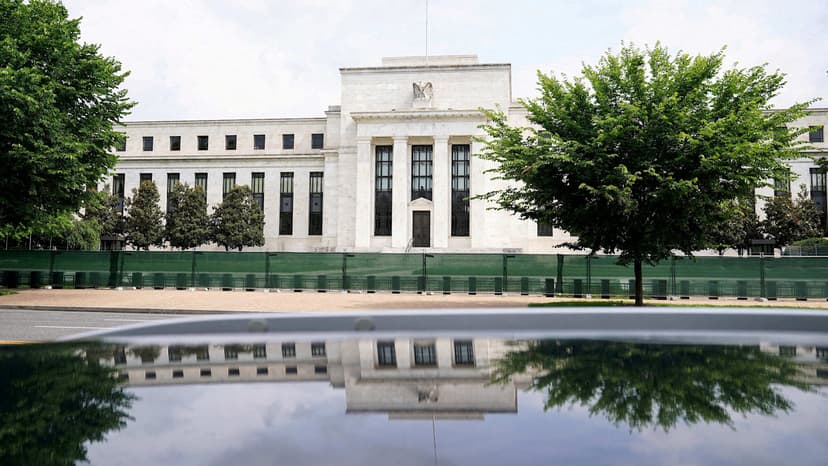
Before the latest FOMC meeting, our Director Prof. Kalemli-Ozcan argued that inflation is now persistent and FED should raise rates. This is not necessarily due to Hormuz shock alone but due to tariffs that are in the system now over a year, creating cost distortions in global production networks.
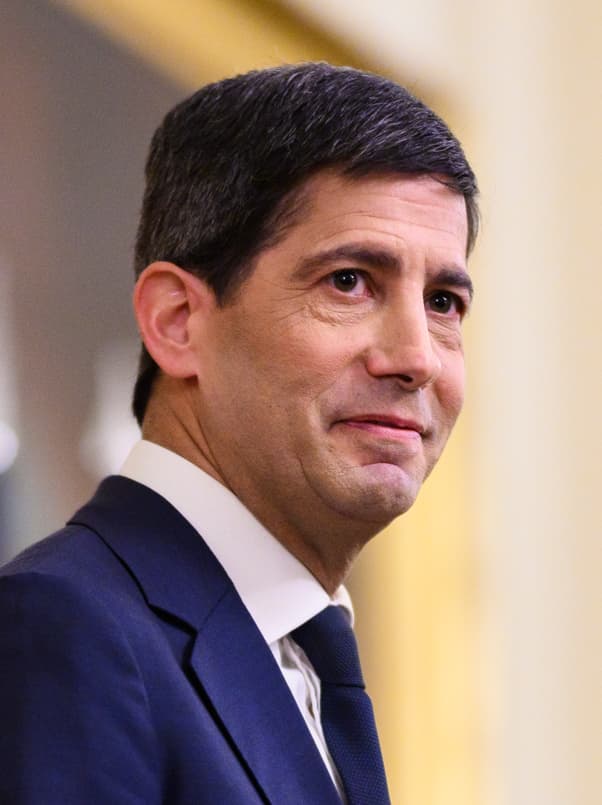
Our Director Prof. Kalemli-Ozcan's interview at Bloomberg TV underlines the difficulties of central banking in a fragmented world prone to simultaneous and frequent supply and demand shocks.
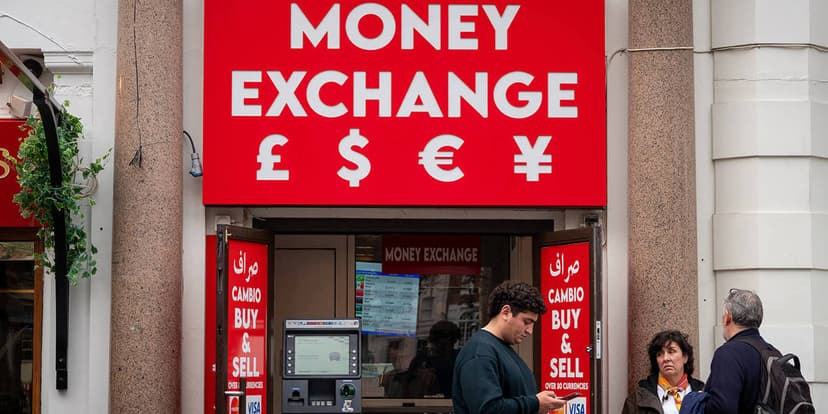
Our Director Prof. Kalemli-Ozcan argues that viewing the recent debate on global financial fragmentation from the historical lens of the late economist Robert Mundell's dream of a single world money teaches us important lessons. What did we learn from the euro's real-world experience over the past quarter-century?
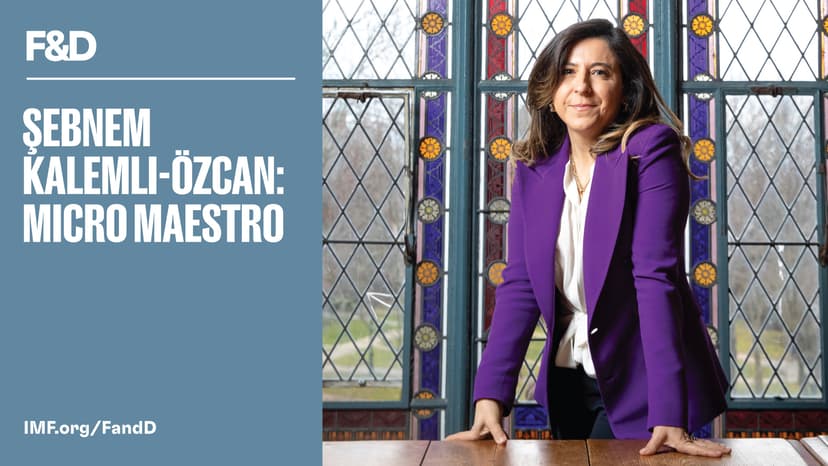
IMF F&D magazine features our Director Prof. Kalemli-Ozcan's work on global linkages.
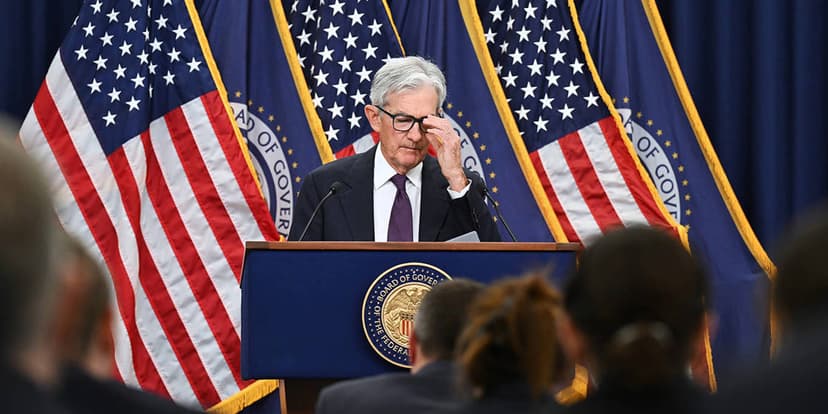
Our Director Prof. Kalemli-Özcan writes about the difficult new age of central banking under supply shocks. As the bond markets are telling us recently: 1) Inflation is no longer a discrete problem to be solved at the national level; it is global in nature, reflecting frequent supply shocks in an economically fragmented world. 2) Fiscal stimulus in the face of today’s supply shocks is the worst possible response, and one that monetary policy alone cannot offset. 3) Central-bank independence is less costly to defend when it is not yet under threat, and more expensive to rebuild after it has been lost.

Our Research Director Muhammed Yildirim's research on supply chain complexity was featured in Financial Times article on China Shock 2.0.
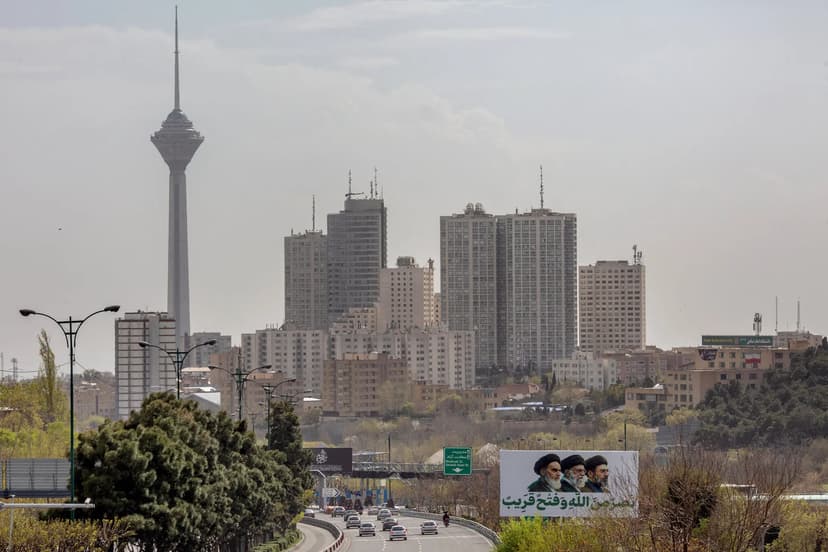
Our Research Director Muhammed Yildirim's research on supply chain complexity was featured in New York Times article on Iran's exports.
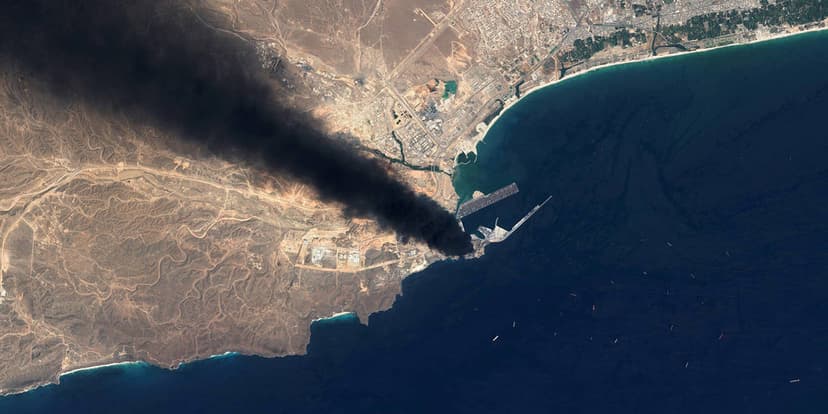
New GLL research, summarized by our Director Prof. Kalemli-Özcan in a recent PS article, shows how global interdependence also provides resilience thanks to multi-layer networks in trade, production, finance and spatial networks.
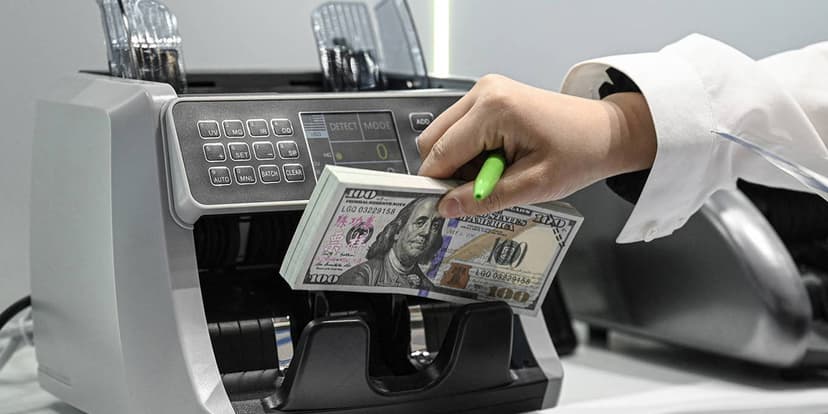
Our Director Prof. Kalemli-Özcan argues that tariffs and US-specific policy uncertainty expose US to massive risks, including inflation and market volatility. Although the economic-case for dethroning the dollar is weak, political-case for weakening the dollar in slow-mo is strong. Lessons from emerging markets, whose own populism ended with high inflation, are clear: They embarked on a similar path with the US before, starting with protectionism, blaming globalization for domestic problems stemming from misguided economic policies.
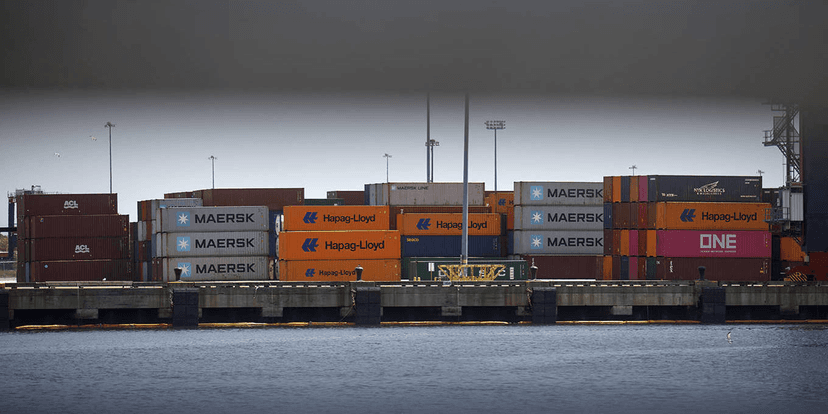
Our Director Prof. Kalemli-Özcan argues that tariffs are not a viable tool for weaponizing global interdependence.
Our Director Prof. Kalemli-Özcan joins Anne Krueger, Mohamed El-Erian, and Gabriel Chodorow-Reich on the importance of FED independence for domestic and global macro and financial stability.
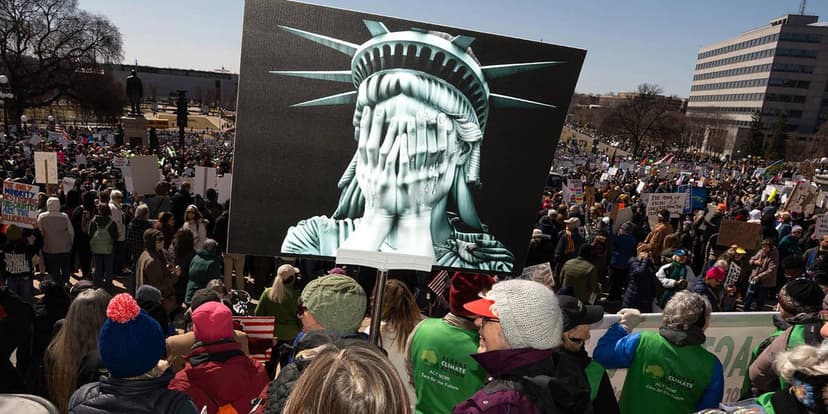
Our Director Prof. Kalemli-Özcan joins several social scientists for 2026 predictions of the Project Syndicate. She argues that, in the year ahead and beyond, globalization is set to become more fragmented, more complex, and more unequal. Supply chains will grow longer and riskier, while the technological arms race between the US and China could destabilize the global economic system. Paradoxically, dollar dominance may coexist with a weakening dollar. This shift is unfolding in an increasingly zero-sum geopolitical environment shaped by global and regional rivalries. Social welfare is set to decline worldwide, even as an AI-driven productivity surge benefits a narrow set of firms, sectors, and countries. Multilateral institutions will be more necessary than ever, but politics and policymaking will continue to drift away from cooperative economic frameworks.
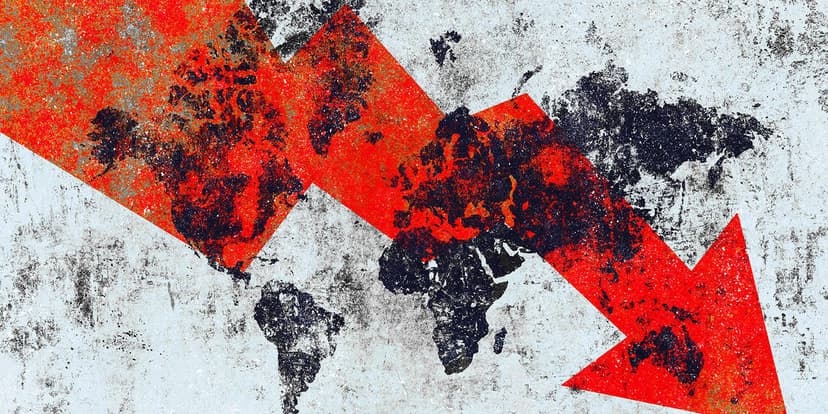
Our Director Prof. Kalemli-Özcan's interview with PS Quarterly featured in the Watson School. She discusses how the combination of U.S. tariffs and monetary policy risks fueling stagflation and financial instability.
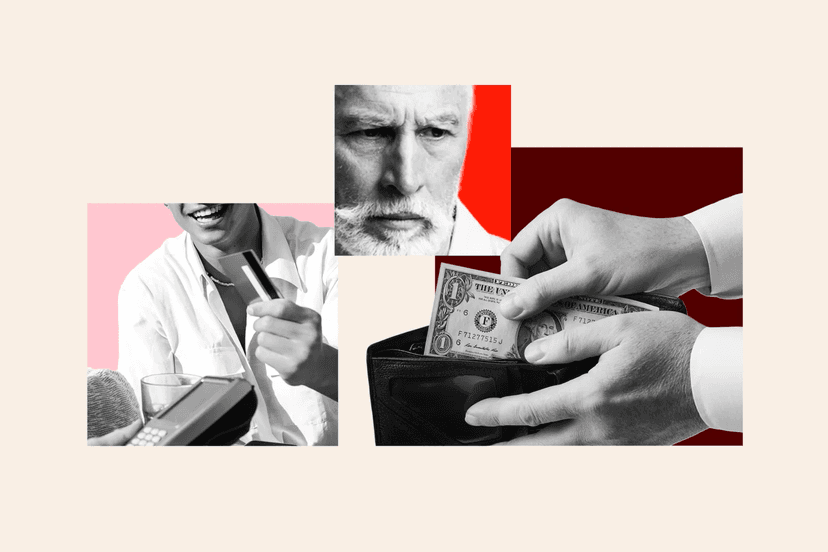
Our Director Prof. Kalemli-Özcan's interview with Newsweek on how to think the macroeconomy in a disaggregated manner not only as poor and rich households but also small and large firms and related risks from such K-Shaped economy.
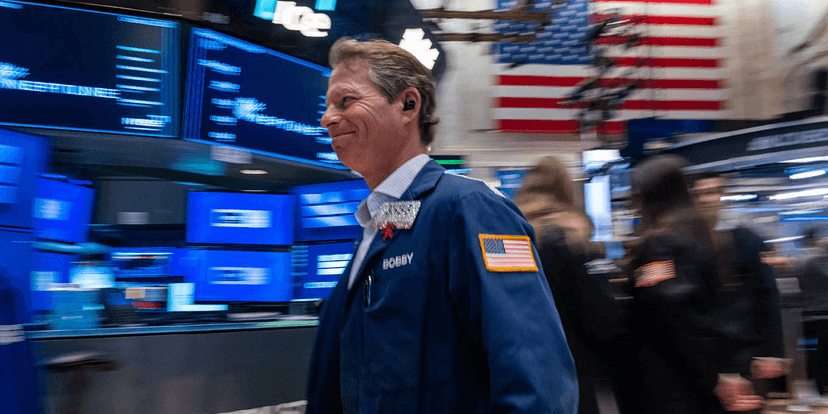
Our Director Prof. Kalemli-Özcan's PS column this month argues that financial market complacency in the face of U.S. policy uncertainty is a profitable strategy.
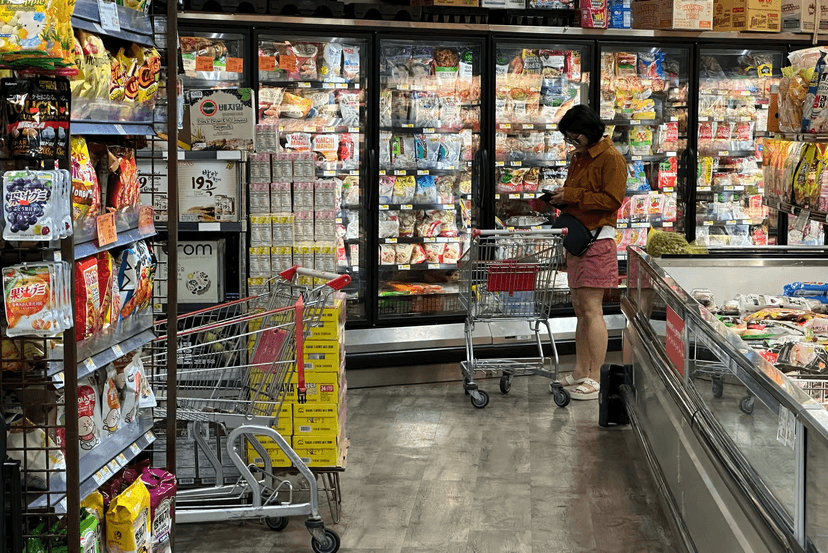
Our Director Prof. Kalemli-Özcan gave an interview to Guardian on GLL tariff project that shows the potential stagflationary impact of tariffs on the US economy and on other countries. She argues that it is important to have theory that meets data since if stagflation rolls out at a slow pace, because firms are waiting to pass through the cost of tariffs, then data will not pick it up right away. GLL's work explains how firms can decide to pass through their higher tariff-induced costs on to consumers, leading to inflation later, where unemployment can be observed before.
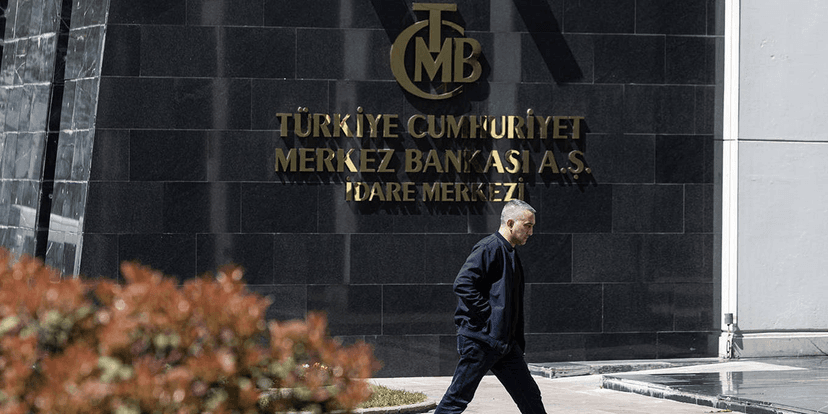
Our Director Prof. Kalemli-Özcan's this month's PS column explains how populist leaders' push for low interest rates meant to cloak the destructive impact of their misguided economic policies such as tariffs.
Our Director Prof. Kalemli-Özcan's interview at the 2025 Jackson Hole Conference focuses on the impact of tariffs on inflation. GLL's research shows that whether there is a one-time price jump versus persistent inflation depends on FED's response. She also mentions the importance of lack of retaliation.
Our Director Prof. Kalemli-Özcan's recent interview with Bloomberg during the Jackson Hole meetings (the link below from the 25th minute onwards) explains why tariffs constitute a stagflationary shock for the US, if they end up staying on for many countries and sectors in excess of 10 percent. The interview is based on the work done by GLL members Şebnem Kalemli-Özcan, Can Soylu and Muhammed Yildirim.
Our Director Prof. Kalemli-Özcan is featured in the 'SheWrites' newsletter of Project Syndicate.
How do different risk premia for currency, policy and country interact? Which one matters for investors? These are key questions given increased US policy uncertainty. Our Director Prof. Kalemli-Özcan explains in an FT op-ed.
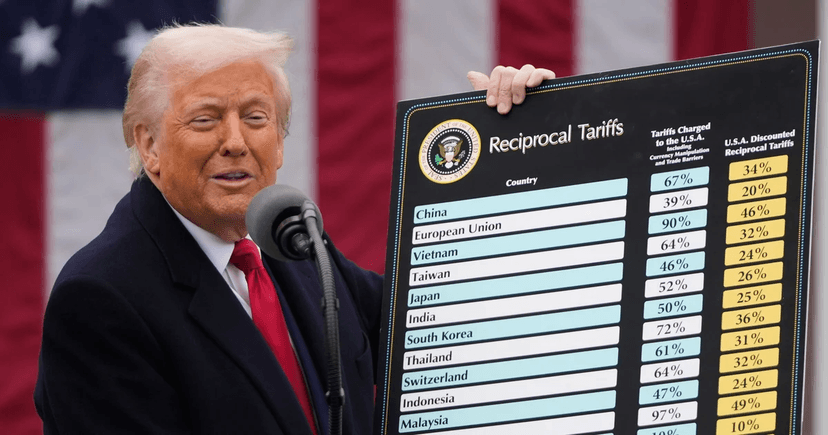
On her April 1st interview with Time Magazine, GLL Director Prof. Kalemli-Özcan argued that the Liberation Day tariffs, if end up being large, can start a global trade war, hurting American consumers and businesses at the end the most.
Our Director Prof. Kalemli-Özcan and several other economists shared their views on the potential impact of tariffs on the US economy recession risk in a recent Newsweek interview.
Our Director Prof. Kalemli-Özcan's Bloomberg TV interview highlights the damaging impact of large tariffs on the U.S. economy even before the ''Liberation Day'' tariffs unveiled on April 2nd. Her key point centers on the supply shock created by large tariffs and uncertainty surrounding the trade policy.
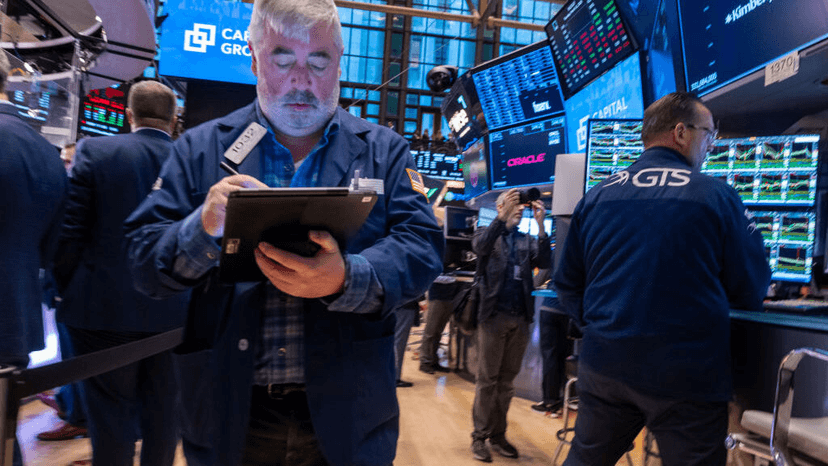
The whiplash from the Donald Trump administration's on-again, off-again tariff policy is leading to a lot of uncertainty, argues our Director Prof. Kalemli-Özcan, affecting both wall street and main street.
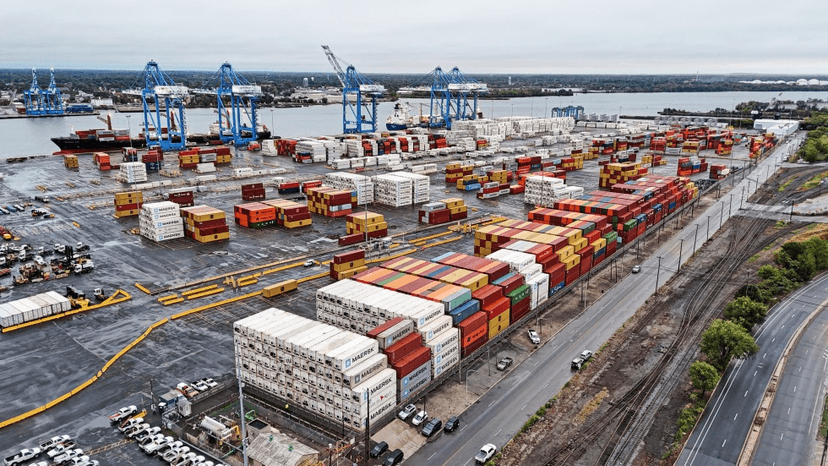
In a Q&A, our Director Professor Şebnem Kalemli-Özcan discussed how the new presidential administration's planned tariffs could potentially impact the U.S. economy.
Three of our GLL projects have been cited in the 2025 Economic Report of the President. The papers make the following points: the key drivers of pandemic era inflation is robust demand coinciding with negative supply shocks; global capital flows and global technology ownership is linked; foreign direct investment needs financial markets to be beneficial for growth.
In an interview with the FT, our Director Prof. Şebnem Kalemli-Özcan explained the potential stagflationary impact of the tariffs proposed by the Trump administration.
In an FT interview, our Director Prof. Kalemli-Özcan argued that U.S. unemployment could rise as businesses make cuts in the face of higher costs borne from tariffs and higher wages resulting from changes in immigration policy.
Before the latest FOMC meeting, our Director Prof. Kalemli-Ozcan argued that inflation is now persistent and FED should raise rates. This is not necessarily due to Hormuz shock alone but due to tariffs that are in the system now over a year, creating cost distortions in global production networks.
Our Director Prof. Kalemli-Ozcan's interview at Bloomberg TV underlines the difficulties of central banking in a fragmented world prone to simultaneous and frequent supply and demand shocks.
Our Director Prof. Kalemli-Ozcan argues that viewing the recent debate on global financial fragmentation from the historical lens of the late economist Robert Mundell's dream of a single world money teaches us important lessons. What did we learn from the euro's real-world experience over the past quarter-century?
IMF F&D magazine features our Director Prof. Kalemli-Ozcan's work on global linkages.
Our Director Prof. Kalemli-Özcan writes about the difficult new age of central banking under supply shocks. As the bond markets are telling us recently: 1) Inflation is no longer a discrete problem to be solved at the national level; it is global in nature, reflecting frequent supply shocks in an economically fragmented world. 2) Fiscal stimulus in the face of today’s supply shocks is the worst possible response, and one that monetary policy alone cannot offset. 3) Central-bank independence is less costly to defend when it is not yet under threat, and more expensive to rebuild after it has been lost.
Our Research Director Muhammed Yildirim's research on supply chain complexity was featured in Financial Times article on China Shock 2.0.
Our Research Director Muhammed Yildirim's research on supply chain complexity was featured in New York Times article on Iran's exports.
New GLL research, summarized by our Director Prof. Kalemli-Özcan in a recent PS article, shows how global interdependence also provides resilience thanks to multi-layer networks in trade, production, finance and spatial networks.
Our Director Prof. Kalemli-Özcan argues that tariffs and US-specific policy uncertainty expose US to massive risks, including inflation and market volatility. Although the economic-case for dethroning the dollar is weak, political-case for weakening the dollar in slow-mo is strong. Lessons from emerging markets, whose own populism ended with high inflation, are clear: They embarked on a similar path with the US before, starting with protectionism, blaming globalization for domestic problems stemming from misguided economic policies.
Our Director Prof. Kalemli-Özcan argues that tariffs are not a viable tool for weaponizing global interdependence.
Our Director Prof. Kalemli-Özcan joins Anne Krueger, Mohamed El-Erian, and Gabriel Chodorow-Reich on the importance of FED independence for domestic and global macro and financial stability.
Our Director Prof. Kalemli-Özcan joins several social scientists for 2026 predictions of the Project Syndicate. She argues that, in the year ahead and beyond, globalization is set to become more fragmented, more complex, and more unequal. Supply chains will grow longer and riskier, while the technological arms race between the US and China could destabilize the global economic system. Paradoxically, dollar dominance may coexist with a weakening dollar. This shift is unfolding in an increasingly zero-sum geopolitical environment shaped by global and regional rivalries. Social welfare is set to decline worldwide, even as an AI-driven productivity surge benefits a narrow set of firms, sectors, and countries. Multilateral institutions will be more necessary than ever, but politics and policymaking will continue to drift away from cooperative economic frameworks.
Our Director Prof. Kalemli-Özcan's interview with PS Quarterly featured in the Watson School. She discusses how the combination of U.S. tariffs and monetary policy risks fueling stagflation and financial instability.
Our Director Prof. Kalemli-Özcan's interview with Newsweek on how to think the macroeconomy in a disaggregated manner not only as poor and rich households but also small and large firms and related risks from such K-Shaped economy.
Our Director Prof. Kalemli-Özcan's PS column this month argues that financial market complacency in the face of U.S. policy uncertainty is a profitable strategy.
Our Director Prof. Kalemli-Özcan gave an interview to Guardian on GLL tariff project that shows the potential stagflationary impact of tariffs on the US economy and on other countries. She argues that it is important to have theory that meets data since if stagflation rolls out at a slow pace, because firms are waiting to pass through the cost of tariffs, then data will not pick it up right away. GLL's work explains how firms can decide to pass through their higher tariff-induced costs on to consumers, leading to inflation later, where unemployment can be observed before.
Our Director Prof. Kalemli-Özcan's this month's PS column explains how populist leaders' push for low interest rates meant to cloak the destructive impact of their misguided economic policies such as tariffs.
Our Director Prof. Kalemli-Özcan's interview at the 2025 Jackson Hole Conference focuses on the impact of tariffs on inflation. GLL's research shows that whether there is a one-time price jump versus persistent inflation depends on FED's response. She also mentions the importance of lack of retaliation.
Our Director Prof. Kalemli-Özcan's recent interview with Bloomberg during the Jackson Hole meetings (the link below from the 25th minute onwards) explains why tariffs constitute a stagflationary shock for the US, if they end up staying on for many countries and sectors in excess of 10 percent. The interview is based on the work done by GLL members Şebnem Kalemli-Özcan, Can Soylu and Muhammed Yildirim.
Our Director Prof. Kalemli-Özcan is featured in the 'SheWrites' newsletter of Project Syndicate.
How do different risk premia for currency, policy and country interact? Which one matters for investors? These are key questions given increased US policy uncertainty. Our Director Prof. Kalemli-Özcan explains in an FT op-ed.
On her April 1st interview with Time Magazine, GLL Director Prof. Kalemli-Özcan argued that the Liberation Day tariffs, if end up being large, can start a global trade war, hurting American consumers and businesses at the end the most.
Our Director Prof. Kalemli-Özcan and several other economists shared their views on the potential impact of tariffs on the US economy recession risk in a recent Newsweek interview.
Our Director Prof. Kalemli-Özcan's Bloomberg TV interview highlights the damaging impact of large tariffs on the U.S. economy even before the ''Liberation Day'' tariffs unveiled on April 2nd. Her key point centers on the supply shock created by large tariffs and uncertainty surrounding the trade policy.
The whiplash from the Donald Trump administration's on-again, off-again tariff policy is leading to a lot of uncertainty, argues our Director Prof. Kalemli-Özcan, affecting both wall street and main street.
In a Q&A, our Director Professor Şebnem Kalemli-Özcan discussed how the new presidential administration's planned tariffs could potentially impact the U.S. economy.
Three of our GLL projects have been cited in the 2025 Economic Report of the President. The papers make the following points: the key drivers of pandemic era inflation is robust demand coinciding with negative supply shocks; global capital flows and global technology ownership is linked; foreign direct investment needs financial markets to be beneficial for growth.
In an interview with the FT, our Director Prof. Şebnem Kalemli-Özcan explained the potential stagflationary impact of the tariffs proposed by the Trump administration.
In an FT interview, our Director Prof. Kalemli-Özcan argued that U.S. unemployment could rise as businesses make cuts in the face of higher costs borne from tariffs and higher wages resulting from changes in immigration policy.
Before the latest FOMC meeting, our Director Prof. Kalemli-Ozcan argued that inflation is now persistent and FED should raise rates. This is not necessarily due to Hormuz shock alone but due to tariffs that are in the system now over a year, creating cost distortions in global production networks.
Our Director Prof. Kalemli-Ozcan's interview at Bloomberg TV underlines the difficulties of central banking in a fragmented world prone to simultaneous and frequent supply and demand shocks.
Our Director Prof. Kalemli-Ozcan argues that viewing the recent debate on global financial fragmentation from the historical lens of the late economist Robert Mundell's dream of a single world money teaches us important lessons. What did we learn from the euro's real-world experience over the past quarter-century?
IMF F&D magazine features our Director Prof. Kalemli-Ozcan's work on global linkages.
Our Director Prof. Kalemli-Özcan writes about the difficult new age of central banking under supply shocks. As the bond markets are telling us recently: 1) Inflation is no longer a discrete problem to be solved at the national level; it is global in nature, reflecting frequent supply shocks in an economically fragmented world. 2) Fiscal stimulus in the face of today’s supply shocks is the worst possible response, and one that monetary policy alone cannot offset. 3) Central-bank independence is less costly to defend when it is not yet under threat, and more expensive to rebuild after it has been lost.
Our Research Director Muhammed Yildirim's research on supply chain complexity was featured in Financial Times article on China Shock 2.0.
Our Research Director Muhammed Yildirim's research on supply chain complexity was featured in New York Times article on Iran's exports.
New GLL research, summarized by our Director Prof. Kalemli-Özcan in a recent PS article, shows how global interdependence also provides resilience thanks to multi-layer networks in trade, production, finance and spatial networks.
Our Director Prof. Kalemli-Özcan argues that tariffs and US-specific policy uncertainty expose US to massive risks, including inflation and market volatility. Although the economic-case for dethroning the dollar is weak, political-case for weakening the dollar in slow-mo is strong. Lessons from emerging markets, whose own populism ended with high inflation, are clear: They embarked on a similar path with the US before, starting with protectionism, blaming globalization for domestic problems stemming from misguided economic policies.
Our Director Prof. Kalemli-Özcan argues that tariffs are not a viable tool for weaponizing global interdependence.
Our Director Prof. Kalemli-Özcan joins Anne Krueger, Mohamed El-Erian, and Gabriel Chodorow-Reich on the importance of FED independence for domestic and global macro and financial stability.
Our Director Prof. Kalemli-Özcan joins several social scientists for 2026 predictions of the Project Syndicate. She argues that, in the year ahead and beyond, globalization is set to become more fragmented, more complex, and more unequal. Supply chains will grow longer and riskier, while the technological arms race between the US and China could destabilize the global economic system. Paradoxically, dollar dominance may coexist with a weakening dollar. This shift is unfolding in an increasingly zero-sum geopolitical environment shaped by global and regional rivalries. Social welfare is set to decline worldwide, even as an AI-driven productivity surge benefits a narrow set of firms, sectors, and countries. Multilateral institutions will be more necessary than ever, but politics and policymaking will continue to drift away from cooperative economic frameworks.
Our Director Prof. Kalemli-Özcan's interview with PS Quarterly featured in the Watson School. She discusses how the combination of U.S. tariffs and monetary policy risks fueling stagflation and financial instability.
Our Director Prof. Kalemli-Özcan's interview with Newsweek on how to think the macroeconomy in a disaggregated manner not only as poor and rich households but also small and large firms and related risks from such K-Shaped economy.
Our Director Prof. Kalemli-Özcan's PS column this month argues that financial market complacency in the face of U.S. policy uncertainty is a profitable strategy.
Our Director Prof. Kalemli-Özcan gave an interview to Guardian on GLL tariff project that shows the potential stagflationary impact of tariffs on the US economy and on other countries. She argues that it is important to have theory that meets data since if stagflation rolls out at a slow pace, because firms are waiting to pass through the cost of tariffs, then data will not pick it up right away. GLL's work explains how firms can decide to pass through their higher tariff-induced costs on to consumers, leading to inflation later, where unemployment can be observed before.
Our Director Prof. Kalemli-Özcan's this month's PS column explains how populist leaders' push for low interest rates meant to cloak the destructive impact of their misguided economic policies such as tariffs.
Our Director Prof. Kalemli-Özcan's interview at the 2025 Jackson Hole Conference focuses on the impact of tariffs on inflation. GLL's research shows that whether there is a one-time price jump versus persistent inflation depends on FED's response. She also mentions the importance of lack of retaliation.
Our Director Prof. Kalemli-Özcan's recent interview with Bloomberg during the Jackson Hole meetings (the link below from the 25th minute onwards) explains why tariffs constitute a stagflationary shock for the US, if they end up staying on for many countries and sectors in excess of 10 percent. The interview is based on the work done by GLL members Şebnem Kalemli-Özcan, Can Soylu and Muhammed Yildirim.
Our Director Prof. Kalemli-Özcan is featured in the 'SheWrites' newsletter of Project Syndicate.
How do different risk premia for currency, policy and country interact? Which one matters for investors? These are key questions given increased US policy uncertainty. Our Director Prof. Kalemli-Özcan explains in an FT op-ed.
On her April 1st interview with Time Magazine, GLL Director Prof. Kalemli-Özcan argued that the Liberation Day tariffs, if end up being large, can start a global trade war, hurting American consumers and businesses at the end the most.
Our Director Prof. Kalemli-Özcan and several other economists shared their views on the potential impact of tariffs on the US economy recession risk in a recent Newsweek interview.
Our Director Prof. Kalemli-Özcan's Bloomberg TV interview highlights the damaging impact of large tariffs on the U.S. economy even before the ''Liberation Day'' tariffs unveiled on April 2nd. Her key point centers on the supply shock created by large tariffs and uncertainty surrounding the trade policy.
The whiplash from the Donald Trump administration's on-again, off-again tariff policy is leading to a lot of uncertainty, argues our Director Prof. Kalemli-Özcan, affecting both wall street and main street.
In a Q&A, our Director Professor Şebnem Kalemli-Özcan discussed how the new presidential administration's planned tariffs could potentially impact the U.S. economy.
Three of our GLL projects have been cited in the 2025 Economic Report of the President. The papers make the following points: the key drivers of pandemic era inflation is robust demand coinciding with negative supply shocks; global capital flows and global technology ownership is linked; foreign direct investment needs financial markets to be beneficial for growth.
In an interview with the FT, our Director Prof. Şebnem Kalemli-Özcan explained the potential stagflationary impact of the tariffs proposed by the Trump administration.
In an FT interview, our Director Prof. Kalemli-Özcan argued that U.S. unemployment could rise as businesses make cuts in the face of higher costs borne from tariffs and higher wages resulting from changes in immigration policy.
Highlighted Research
All Research
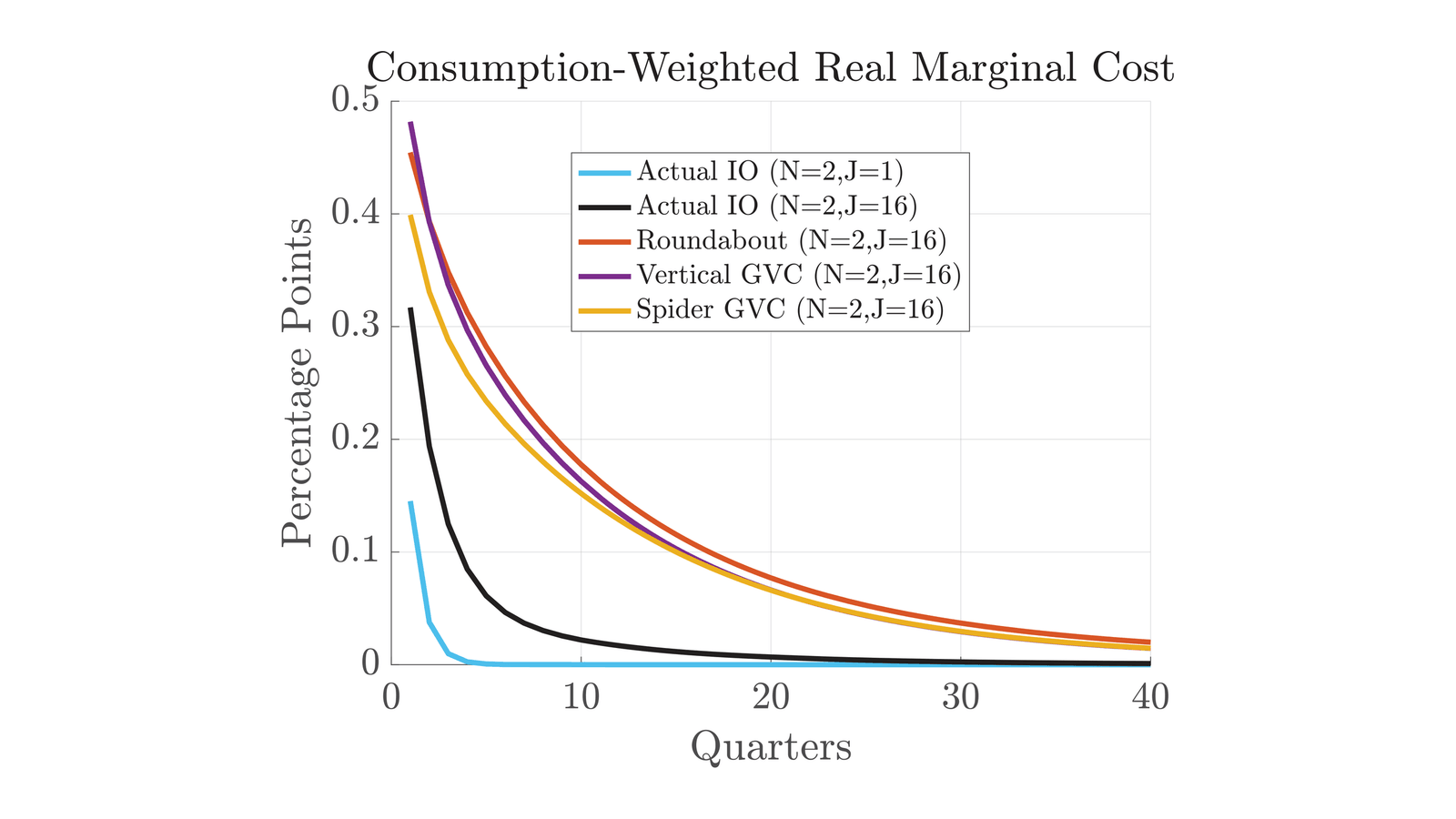
Governments are racing to control the productive resources of the world economy. The global trade and finance networks that made the last five years survivable will be the casualty, and the bill will arrive as inflation. Chokepoints can move, but shock absorbers do not come back, and inflation stays. Our research shows that supply chains are not reshoring; instead, global capital is reallocating to control them, leading to persistent global inflation. To understand why central banks cannot simply look through this, we build a New Keynesian open economy model with many countries and sectors connected through a full global production network. Tariffs raise costs sector by sector, but monetary policy and the exchange rate act only on aggregate demand, country by country. They cannot undo every sectoral distortion at once, so the leftover cost pressures travel along supply chains and are inherited quarter after quarter. This persistence holds under every monetary policy rule we study. Feeding in the tariffs implemented in 2025 and 2026, the model matches the current persistent inflation in the United States and elsewhere: U.S. headline CPI has risen 0.3 percent above its trend before 2025, exactly what the model implies over the same 7 quarters. Models without production linkages overstate the initial inflation spike, understate the output loss, and miss the slow propogation. Our model delivers muted inflation first, then job losses, and then persistent inflation, mimicking reality of last 2 years.
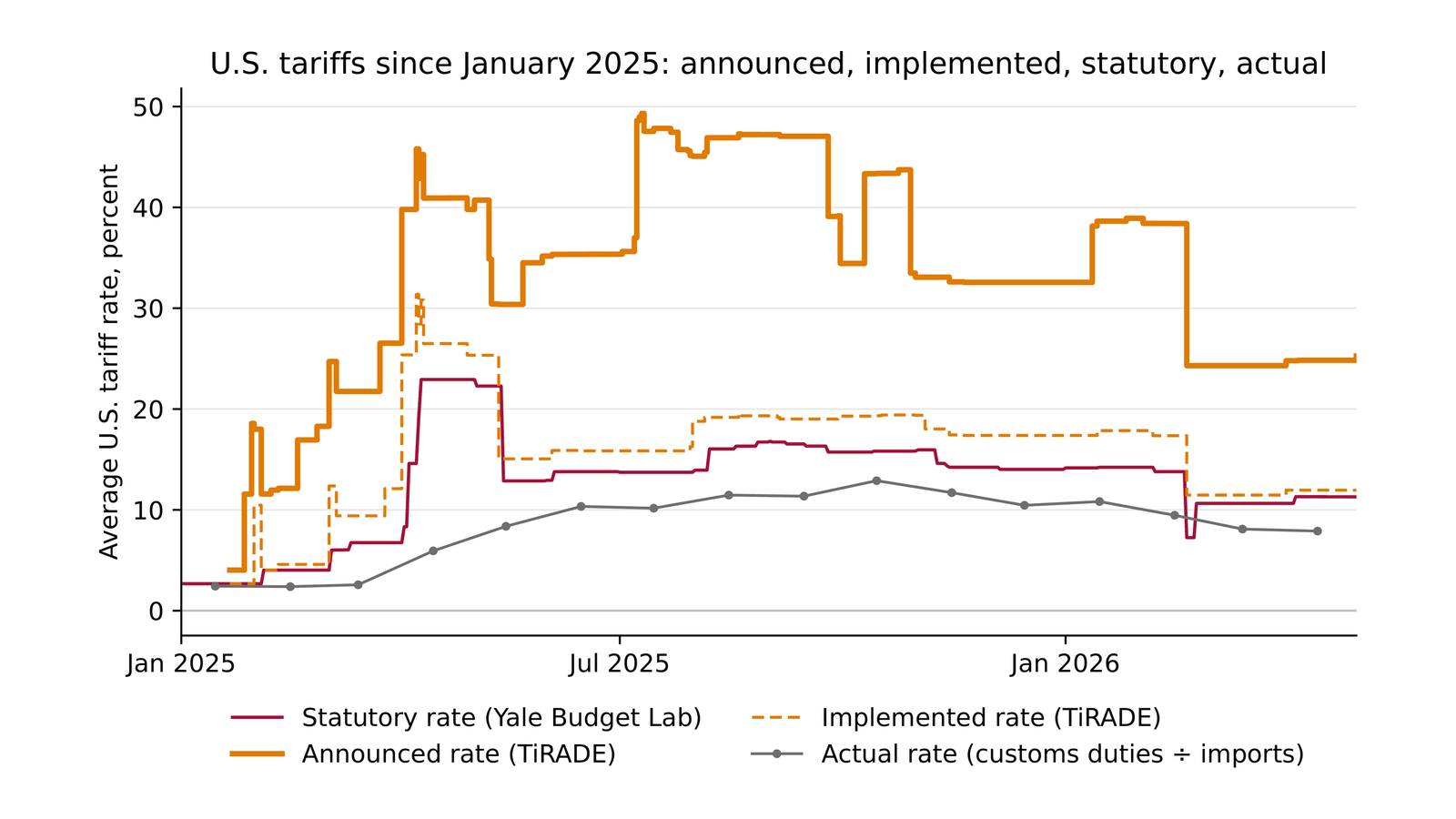
Standard models predict that a unilateral tariff appreciates the implementing country’s currency; in 2025, U.S. tariffs rose and the dollar fell. We show that tariff uncertainty can reverse the textbook prediction in a two-country general equilibrium model. To measure the policy signal agents actually faced, we build TiRADE, a timestamped database of every U.S. tariff rate communicated between January 2025 and May 2026 — speeches, social media posts, and executive actions—of which 71 percent never appear in the statutory record. In high-frequency windows around these announcements, a one-standard-deviation rise in tariff uncertainty depreciates the dollar by 0.24 percent, lowers equities by 0.67 percent, and moves the interest differential by a precisely estimated zero; all as observed in reality. We show that markets priced the announced tariffs as largely transitory, so the uncertainty channel — not the tariff level, valuation effects, or covered convenience-yield erosion — accounts for the dollar’s depreciation at announcement frequencies.
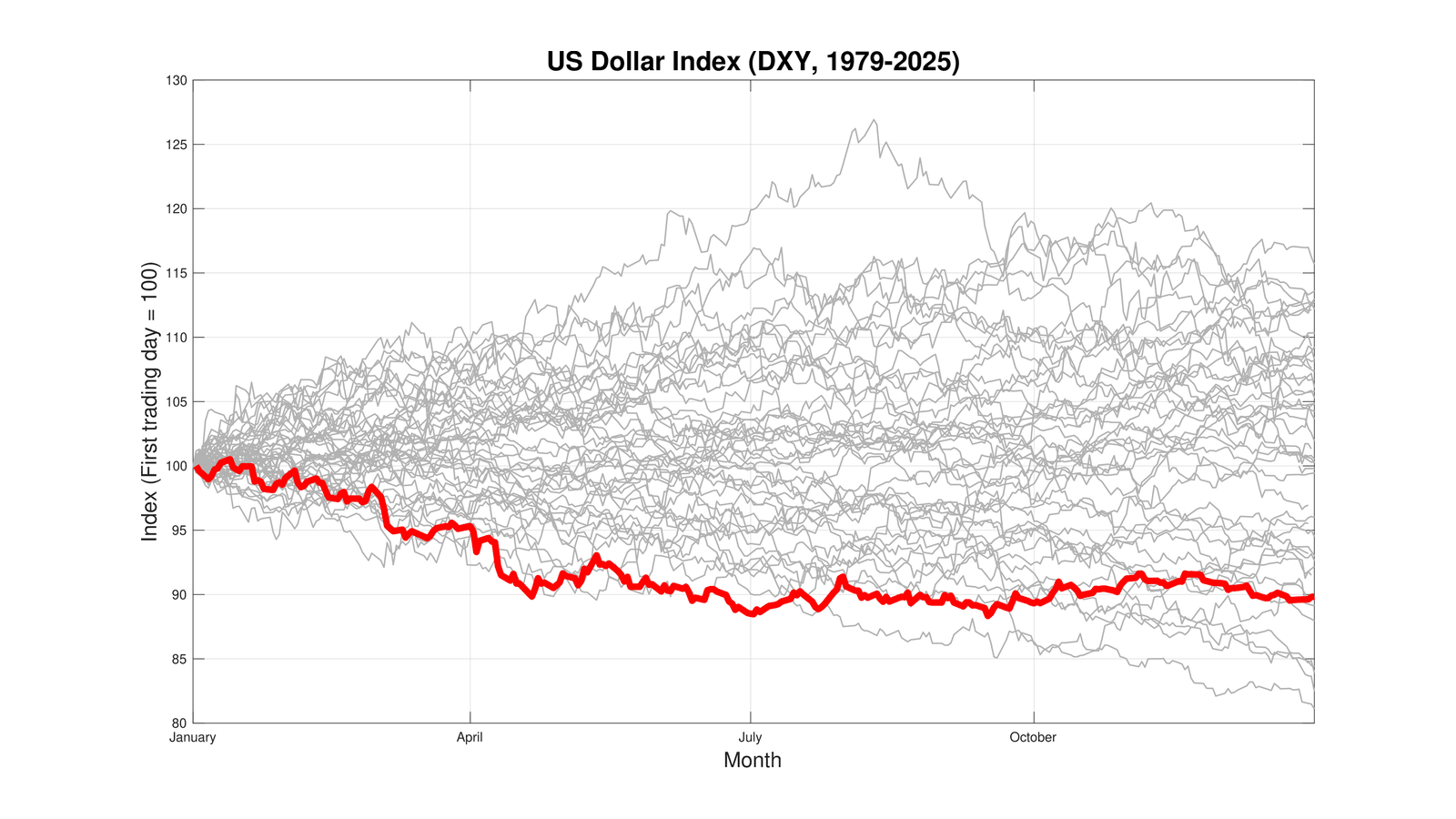
Both tariff and monetary policy uncertainty in the U.S. can impact the dollar. Standard macro-trade models predict that unilateral tariffs appreciate the implementing country’s currency, but we show this result can be overturned by policy uncertainty surrounding the tariffs. Higher tariff uncertainty increases precautionary savings and risk premia, leading to immediate currency depreciation even as tariffs rise. If there were to be more uncertainty surrounding the monetary policy and FED independence, 2026 can witness further weakness of the dollar.
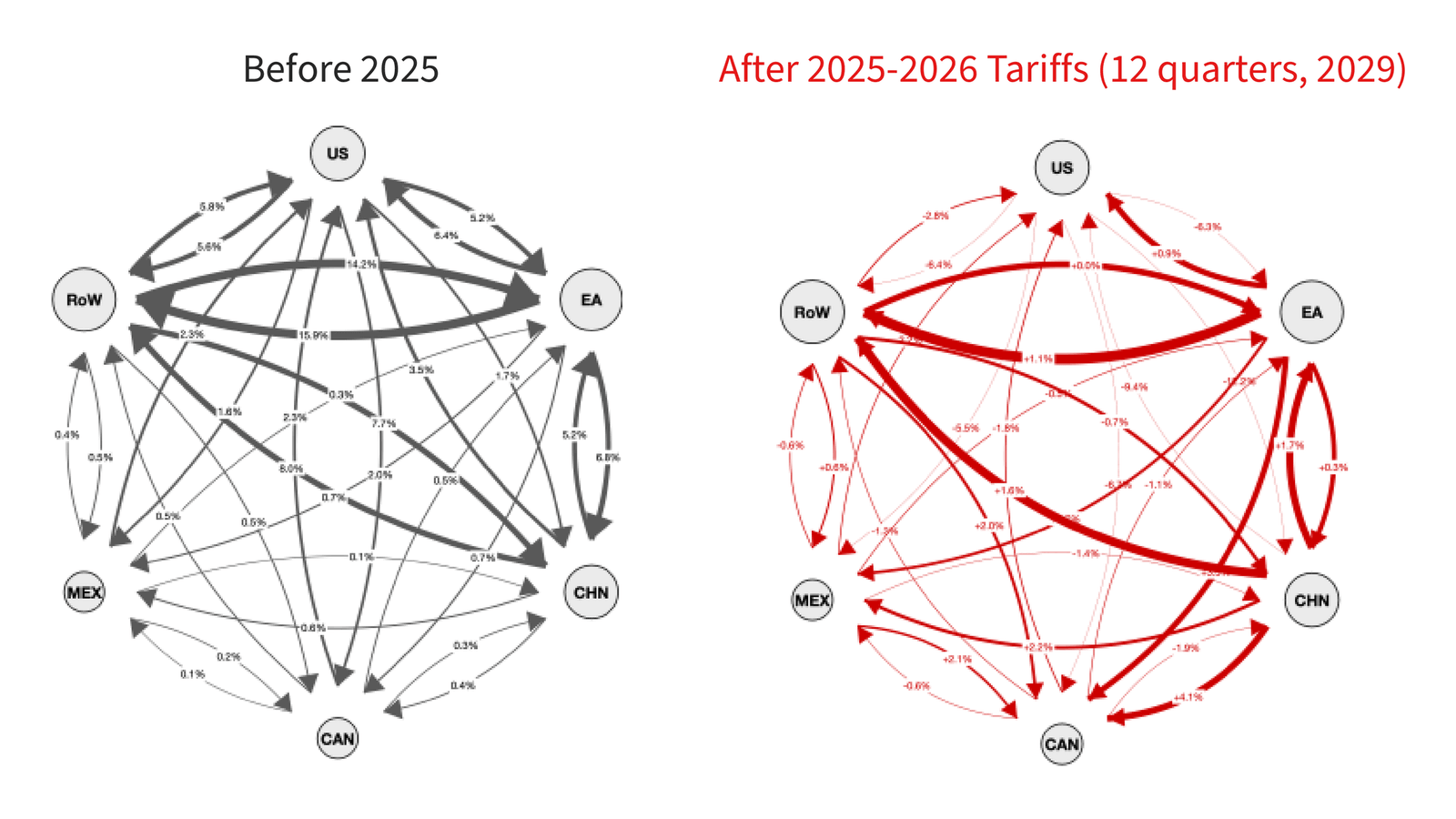
We develop a new framework to study how trade policy and central bank actions interact in a world connected through trade and finance. The model captures how tariffs and other trade barriers affect inflation, employment, output, and the exchange rate—particularly when countries are linked through complex input–output networks. Our findings show that tariffs operate as both supply and demand shocks, generating broad ripple effects across the global economy. The magnitude and direction of these effects depend critically on how central banks respond. Using the model, we replicate key features of the U.S. experience during the 2018 tariff hikes, including slower growth, rising inflation, and a stronger U.S. dollar. We apply our framework to "Liberation Day" tariffs as well. Importantly, we also find that even tariff threats—announcements that are later reversed—can negatively affect the economy.
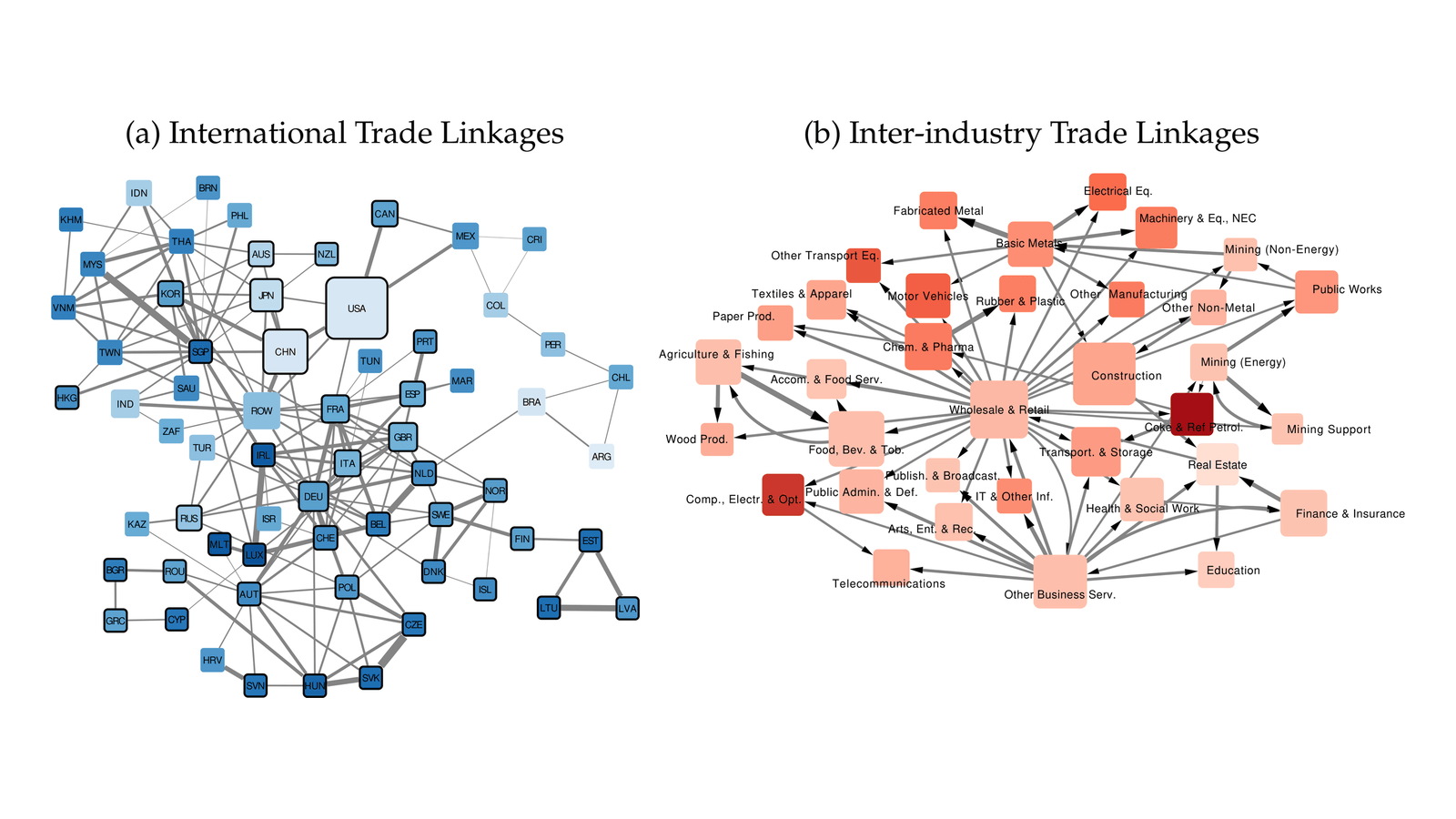
We developed a global economic model to understand how disruptions in one part of the world—such as low vaccination rates in emerging economies during the COVID-19 pandemic—can affect advanced economies. When developing countries were forced to impose lockdowns due to uncontrolled infections, the global economy experienced ripple effects: shortages of critical inputs, higher import prices, and weaker external demand for exports from advanced economies. Our model quantifies the economic costs of these disruptions for wealthier countries and shows that the magnitude of the impact depends heavily on how interconnected industries are through global supply chains. The key insight is clear: investing in vaccine access for lower-income countries is not just a humanitarian imperative—it is also a sound economic strategy for advanced economies seeking to safeguard their own growth and stability.
Global Linkages Lab
The Global Linkages Lab hosts a diverse range of raw and derived datasets on global trade and financial linkages, at a granular level, enabling to ignite path breaking research on issues such as supply chains, global networks, tariffs and sanctions impact on trade, dollar and inflation, domestic and global productivity, misallocation of global capital, financing of green transition, international transmission of U.S. policies, unintended consequences of geopolitics led global fragmentation amidst significant global challenges. One of our primary goals is to provide a valuable public service by sharing our data with the public to catalyze research on the most important global challenges.
The Global Linkages Lab strives to help to build a diverse, inclusive and productive economics profession following the 2019 best practices report of AEA task force composed of Amanda Bayer, our director Şebnem Kalemli-Özcan, Rohini Pande, Cecilia Elena Rouse, Anthony A. Smith Jr., Juan Carlos Suárez Serrato, and David W. Wilcox, that can be found here.